

Understanding the True Value of Performance Physical Therapy in Bryn Mawr
If you are an active adult or athlete in Bryn Mawr struggling with persistent pain, limited movement, or frustration with generic physical therapy, you are not alone. Many athletes find that traditional clinics fail to address the specific demands of their sport or lifestyle. At CoreMovement Physical Therapy, the approach is built around your goals — not just your symptoms. Whether you are training for a CrossFit competition or pushing through a long-distance run, you deserve care that meets you where you are.
Performance physical therapy is a specialized approach that goes beyond pain relief. It is proactive, goal-oriented, and designed for people who expect more from their bodies. By addressing the root causes of dysfunction rather than masking discomfort, performance physical therapy in Bryn Mawr, PA empowers you to optimize movement, prevent future injuries, and return to the activities you love with confidence.

What Sets Performance Physical Therapy Apart
Traditional physical therapy often focuses on restoring basic function — getting you back to daily activities after an injury or surgery. Performance physical therapytakes a different view. The goal is not simply to reduce pain but to build a body that is more resilient, more capable, and better prepared for the demands of sport and high-intensity training.
For a dedicated athlete, this means examining how your shoulder moves during an overhead lift, how your hips stabilize during a long run, or how your ankle mechanics affect your squat pattern. It means looking at the whole picture, not just the site of pain.
At CoreMovement Physical Therapy, this philosophy is built into every session through a structured methodology:
Assess: Identify the root cause of your performance barriers, not just where it hurts.
Reset: Restore proper movement and reduce pain using targeted, evidence-based techniques.
Reload: Progressively rebuild strength and resilience with exercises that mirror the demands of your sport.
This three-step approach ensures that recovery is thorough, sustainable, and specific to your goals.
Explore our Services:
Hip Pain Physical Therapy Bryn Mawr, PA
Neck Pain Physical Therapy Bryn Mawr, PA
Shoulder Pain Physical Therapy Bryn Mawr, PA
Knee Pain Physical Therapy Bryn Mawr, PA
Back Pain Physical Therapy Bryn Mawr, PA
One-on-One Care with a Doctor of Physical Therapy
One of the most meaningful differences at CoreMovement Physical Therapy is the commitment to one-on-one sessionswith a Doctor of Physical Therapy (DPT). Every 50-minute session is conducted exclusively with your DPT — no aides, no handoffs, no distractions.
This uninterrupted time allows your therapist to listen carefully, observe your movement patterns in detail, and adjust your plan in real time. For athletes with complex or recurring injuries, this level of individualized attention is not a luxury — it is a necessity.
Advanced Treatments That Support Performance Goals
CoreMovement Physical Therapy uses a comprehensive set of manual therapyand movement-based techniques to address both acute injuries and long-standing dysfunction. Treatments are selected based on your specific presentation and performance goals.
Manual Therapy and Soft Tissue Work
Manual therapy forms the foundation of hands-on care at CoreMovement. Techniques such as joint mobilization, soft tissue mobilization, and trigger point therapy are used to restore mobility, reduce pain, and improve tissue quality. These approaches are particularly effective for conditions like shoulder impingement, hip impingement (FAI), and IT band syndrome — all common among athletes who train at high volumes.
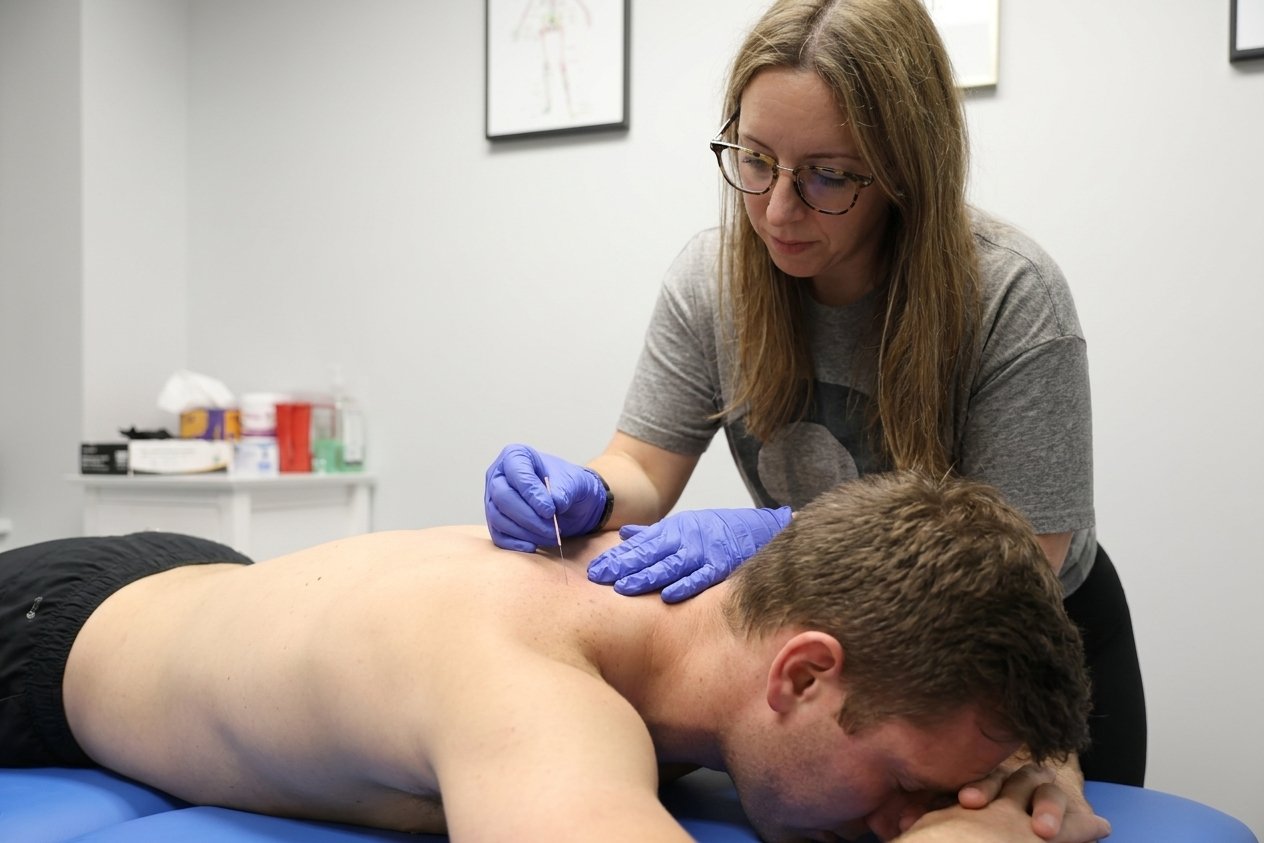
Dry Needling
Dry needling targets myofascial trigger points to reset deep tissue tension that manual work alone may not fully address. For athletes dealing with chronic muscle tightness or recurring strain patterns, dry needling can produce meaningful improvements in range of motion and muscle activation. It is commonly used alongside therapeutic exercise to reinforce the gains made during treatment.
IASTM and the Graston Technique
For athletes whose progress is limited by scar tissue or fascial restrictions, instrument-assisted soft tissue mobilization (IASTM) — including the Graston Technique — offers a targeted solution. Using specialized instruments, your therapist can identify and treat areas of soft tissue fibrosis that contribute to conditions like Achilles tendinopathy, tennis elbow, or plantar fasciitis. Restoring tissue mobility at this level helps athletes return to full training capacity more efficiently.
Cupping and Taping
Cupping is used to decompress soft tissue, improve circulation, and reduce localized tension. Kinesiology taping and athletic taping provide support and proprioceptive feedback during the transition back to full activity. Both modalities complement the hands-on and exercise-based components of your program.
Movement Screening and Injury Prevention
Not every visit to CoreMovement Physical Therapy needs to begin with an injury. A movement screen can identify mechanical inefficiencies and movement compensations before they develop into pain or structural damage. For athletes in active training cycles, this kind of proactive assessment is one of the most effective tools available for injury prevention.
Prehabilitation — structured preparation before a demanding season or procedure — is another area where performance physical therapy delivers clear value. By addressing known weaknesses and movement limitations in advance, athletes can enter their most demanding training blocks with greater confidence and a lower risk of setback.
Conditions Commonly Treated
CoreMovement Physical Therapy treats a wide range of musculoskeletal conditions across the spine, upper extremity, and lower extremity. Common presentations include:
Spine: Low back pain, sciatica, neck pain, mid back pain
Shoulder and upper extremity: Rotator cuff pain, shoulder impingement, frozen shoulder, tennis elbow, golfer's elbow, wrist pain
Hip and lower extremity: Hip impingement, labral tear, runner's knee, meniscus injury, hamstring strain, groin pain, Achilles tendinopathy, plantar fasciitis, ankle sprain
Other: Headaches, TMJ pain, arthritis, tendinopathy, overuse injuries
Whether you are managing a new acute injury or a long-standing overuse issue, the goal remains the same: restore function, build resilience, and return you to full performance.
Return to Sport: The Ultimate Benchmark
For competitive athletes, the true measure of a successful recovery is a confident return to sport. At CoreMovement Physical Therapy, the reload phase of treatment is designed with your specific sport and training environment in mind. Squat mechanics for CrossFit, hip mobility for cycling, shoulder stability for overhead athletes — each program is built around the movement demands you will actually face.
The objective is not simply a repaired body. It is a stronger, more durable one that is better equipped to handle the stresses of training and competition going forward.
Take the Next Step
If you are ready to move beyond symptom management and invest in your long-term performance, CoreMovement Physical Therapy is here to help. Reach out today to schedule your evaluation and experience a higher standard of care in Bryn Mawr, PA.