

Finishing physical therapy feels like a win, but it can also raise real questions. Will the pain return when you load a barbell again? How quickly can you get back to your usual training? What should you do on your own now that formal visits are ending?
If you have dealt with rushed, high-volume PT before, you may worry that discharge means being left to figure it out alone. At CoreMovement Physical Therapy in Bryn Mawr, the end of formal care is a planned transition, not an abrupt stop. Here is what you can realistically expect.
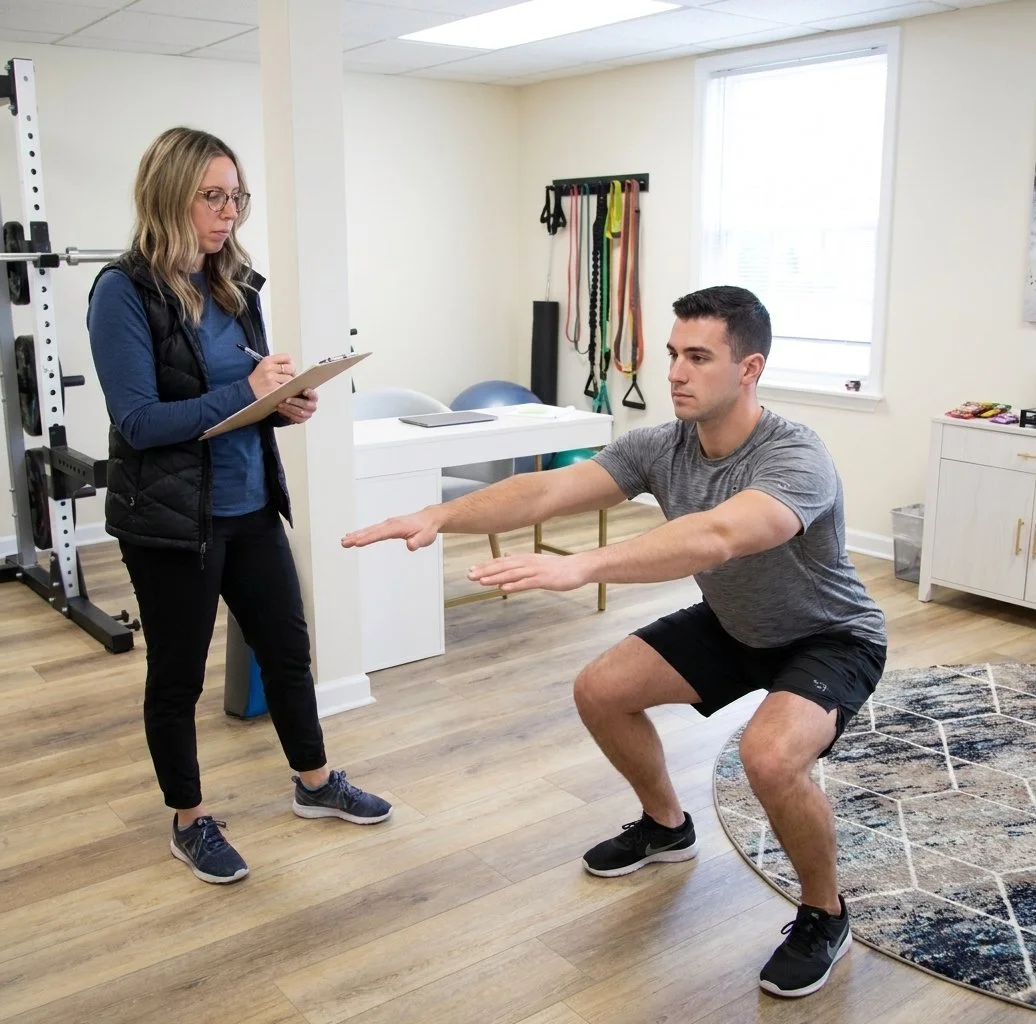
What Does Discharge From Physical Therapy Actually Look Like?
Discharge should never come as a surprise. It typically follows a period where your symptoms have settled, your movement quality has improved, and you can perform the key tasks of your sport or daily routine with confidence.
At CoreMovement Physical Therapy, every session is one-on-one for 50 minutes with a Doctor of Physical Therapy. That means your final visits are built on a full picture of your progress, not a quick checklist. The Assess, Reset, Reload framework is designed to address root causes, so your discharge plan reflects why the problem developed in the first place.
Before you finish, you can expect:
A clear review of what changed, from pain levels to strength and mobility
A repeat movement screen when appropriate, to compare against where you started
A written plan for your training, recovery, and next steps
How Should You Return to CrossFit, Running, or Cycling?
Feeling better does not always mean you are ready to return at full intensity. Tissues adapt gradually, and jumping straight back to your old volume is one of the most common reasons athletes experience setbacks.
Your physical therapist will help you rebuild in stages. For a CrossFit athlete, that may mean reintroducing movements and loads in a planned order. For a runner or cyclist, it may mean gradually restoring distance, pace, or intensity while monitoring how your body responds.
Because CoreMovement Physical Therapy works collaboratively with coaches, trainers, and surgeons, your plan can be shared with the people guiding your training. That keeps everyone aligned and helps you avoid mixed messages about what you should or should not be doing.
What Should Your Home Program Include After PT?
The work you do after discharge matters as much as the work you did in the clinic. A generic handout of stretches will not meet the demands of an active adult, so your program should match your sport and your specific goals.
Depending on your needs, your home program may include:
Therapeutic exercise to continue building strength in areas where you were compensating
Neuromuscular re-education to reinforce better movement patterns under fatigue
Balance and proprioception training to support joint control and long-term injury prevention
Mobility and flexibility work to maintain the range of motion you gained during care
Ask questions until you understand why each exercise is included. When you know the purpose behind the work, you are far more likely to stay consistent with it.
What If Symptoms Come Back After You Finish?
A brief flare-up after discharge does not automatically mean you are back to square one. Training stress, poor sleep, a sudden jump in volume, or a demanding week can all make a previously treated area feel irritated again.
Pay attention to patterns. Mild, short-lived soreness that eases with rest and your home program is meaningfully different from pain that lingers, worsens, or limits how you move.
If symptoms persist, do not wait it out. Pennsylvania offers direct access to physical therapy, so you can schedule a visit without a physician referral. An early reassessment can often address a small issue before it becomes a larger one, and your clinician already knows your full history.
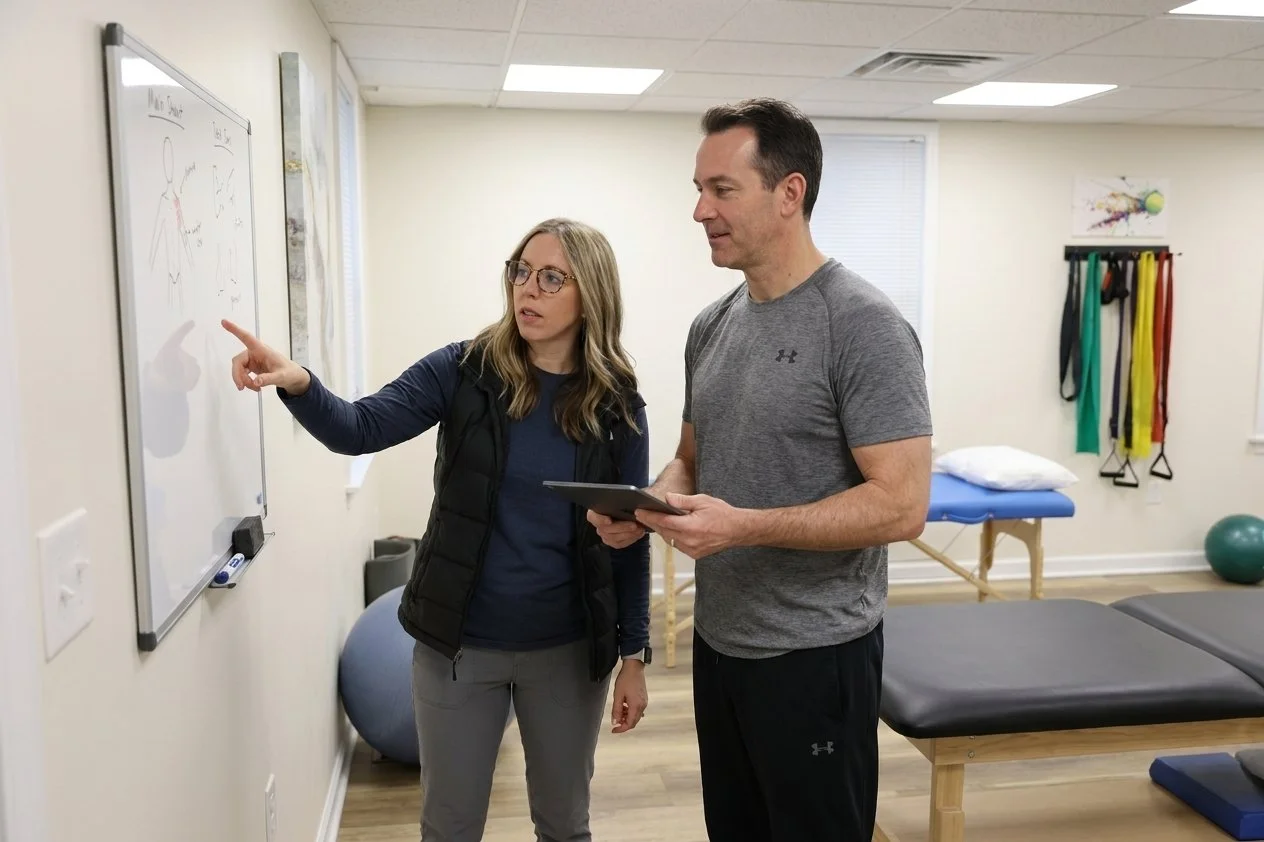
How Does CoreMovement Physical Therapy Support You Beyond Discharge?
Staying active for the long term often takes more than a single course of care. Many patients return for periodic tune-ups, a movement screen before a competitive season, or support when a new training goal comes up.
CoreMovement Physical Therapy offers a hands-on toolkit that is available when clinically appropriate, including manual therapy, dry needling, IASTM/Graston, cupping, and kinesiology taping. This depth of skill means your care can be adapted to whatever challenge comes next, whether that is returning to sport, building strength, or preparing for a heavy training cycle with a structured prehab plan.
The practice treats a wide range of conditions common among active adults and athletes, including shoulder pain, rotator cuff injuries, hip impingement, IT band syndrome, Achilles tendinopathy, low back pain, and thoracic outlet syndrome, among others. Thoracic outlet syndrome, in particular, is a condition that affects many active individuals and athletes, and thoracic outlet syndrome physical therapy can play an important role in managing symptoms, restoring function, and supporting a return to full activity. If you or someone you know has been dealing with arm numbness, shoulder heaviness, or unexplained upper extremity symptoms, it is worth discussing with a physical therapist who is familiar with the condition.
Whether your next goal is injury prevention, strength building, posture improvement, or simply staying pain-free through your next training block, CoreMovement Physical Therapy can build a plan around it with the same individual attention you received from day one.
Ready to Plan Your Next Step?
Finishing physical therapy should leave you confident, not uncertain. If you are an active adult, CrossFit athlete, or runner on the Main Line who wants a clear plan and a clinician who knows your body, CoreMovement Physical Therapy is ready to help.
Book a free 20-minute discovery call with your treating Doctor of Physical Therapy to talk through your goals. Visit the CoreMovement Physical Therapy services page to learn more, or contact the team today to get started in Bryn Mawr.
