

How Long Does Physical Therapy Take to Work for Common Injuries?
If you are dealing with a nagging sports injury, a persistent ache that will not go away, or you are recovering from surgery, one question is likely on your mind: how long until I feel better? At CoreMovement Physical Therapy in Bryn Mawr, we understand that uncertainty can be just as frustrating as the injury itself. Recovery timelines vary, but understanding the factors involved can help you set realistic expectations and get back to the activities you love.
What Influences Your Physical Therapy Timeline?
Several variables determine how quickly you respond to physical therapy. Recognizing these factors helps explain why no two recovery timelines look exactly alike.
Injury Type and Severity
Acute injuries, like a fresh ankle sprain, often respond quickly to early treatment. Chronic conditions, such as long-standing low back pain or tendinopathy, typically require a longer, more progressive approach because the body has already adapted to compensatory movement patterns. Post-surgical recovery follows a different timeline altogether, guided by tissue healing stages and your surgeon's protocol.
Individual Healing Capacity
Age, sleep quality, nutrition, and overall health all influence how your body heals. This is why the team at CoreMovement Physical Therapy takes a holistic, root-cause approach rather than a one-size-fits-all protocol.
Consistency With Your Program
Your engagement matters. Attending your one-on-one sessions with your Doctor of Physical Therapy and completing home exercises consistently can accelerate progress significantly.
Early Intervention
The sooner you address pain or an injury, the better your outcome tends to be. Pennsylvania's direct access law means you do not need a physician referral to start orthopedic physical therapy at CoreMovement, so care can begin without delay.
General Timelines for Common Injuries
While every case is unique, general ranges can help set expectations for some of the most common conditions treated at our Bryn Mawr clinic.
Acute ankle sprains often show meaningful improvement within two to six weeks, with continued balance and proprioception training needed before returning to running or CrossFit.
Low back pain frequently improves within four to eight weeks for acute cases, while chronic low back pain may require eight to twelve weeks or more of targeted manual therapy and movement retraining.
Rotator cuff issues and shoulder impingement typically take six to twelve weeks to restore mobility, strength, and proper mechanics, especially for overhead athletes and lifters.
Runner's knee and IT band syndrome often respond within three to six weeks, with full resolution and injury prevention strategies developing over six to ten weeks.
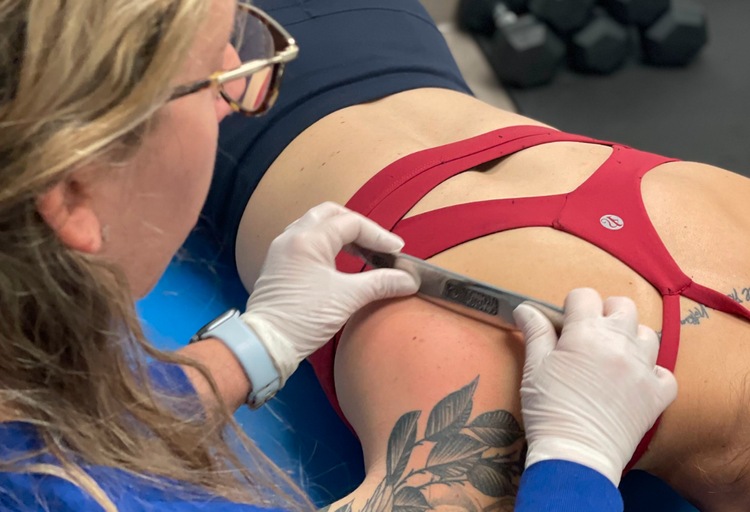
Tennis elbow and other tendinopathies heal more slowly since tendon tissue requires progressive loading. Expect six to twelve weeks or longer, often supported by techniques like IASTM/Graston and dry needling.
Post-surgical rehabilitation is highly variable, ranging from a few months to a year or more depending on the procedure and your prehab and rehab program.
These ranges are general guidelines, not guarantees. Your Doctor of Physical Therapy will provide a personalized estimate based on your individual assessment.
How CoreMovement Physical Therapy Supports Faster, Lasting Recovery
At CoreMovement, the approach to recovery is built around three core phases: assess, reset, and reload.
Assess begins with a thorough, one-on-one evaluation to uncover the true root cause of your pain, not just the symptoms you feel. A movement screen may be used to identify contributing factors and guide your plan of care.
Reset focuses on reducing pain and restoring mobility using advanced hands-on techniques. Depending on your condition, this phase may incorporate dry needling, Graston technique, cupping, soft tissue mobilization, trigger point therapy, and kinesiology taping.
Reload rebuilds strength and retrains movement patterns specific to your sport or activity, whether that is CrossFit, running, or broader performance physical therapy goals. CoreMovement collaborates directly with surgeons, coaches, and trainers to ensure your return to activity aligns with your overall objectives.
When Should You Seek Physical Therapy?
You do not need to wait until pain becomes unbearable to seek help. Consider scheduling an evaluation if you are experiencing any of the following:
New or persistent joint or muscle pain
A sports injury affecting your training or performance
Recovery needs following surgery
Interest in prehabilitation before an upcoming procedure
If you are unsure whether physical therapy is the right next step, a free 20-minute discovery consultation with a treating Doctor of Physical Therapy can help clarify your path forward. No referral is required. Learn more and schedule a consultation.
Why Active Adults in Bryn Mawr Choose CoreMovement Physical Therapy
CoreMovement Physical Therapy was built for people who take their health and performance seriously. Here is what sets the clinic apart:
One-on-one, 50-minute sessions with a Doctor of Physical Therapy, never an assistant or a double-booked schedule
A holistic, root-cause approach that addresses the source of pain, not just the symptoms
Advanced modalities including dry needling, Graston technique, cupping, and kinesiology taping
Sports physical therapy and performance physical therapy tailored to athletes and active adults
Prehabilitation programs for those preparing for surgery
Explore the full range of physical therapy treatments at CoreMovement to see how the clinic supports recovery and performance goals.
Start Your Recovery at CoreMovement Physical Therapy
Recovery timelines vary, but with the right guidance, you can move through your injury efficiently and confidently. CoreMovement Physical Therapy in Bryn Mawr is here to help you understand your specific timeline and get back to what you love. Visit the CoreMovement homepage or browse the CoreMovement blog for more resources on your recovery journey.